Building a Culture of Speaking Up on Camera
How to empower leaders to truly represent your organisation
We ask our people to lead meetings, handle clients, manage teams… but point a camera at them and suddenly the confidence disappears.
It’s not vanity — it’s vulnerability.
For many leaders, a camera feels like a spotlight, not a microphone. But here’s the thing: most of us are perfectly comfortable speaking to other humans every day. We pitch, persuade, joke, reassure — all without a second thought. So why does a lens change everything?
What’s really happening when the camera turns on
The difference is psychological. When someone hits record, the brain quietly whispers, “You’re being judged.” Suddenly it’s not a conversation, it’s a performance. The natural give-and-take of eye contact disappears, replaced by a cold, glass circle that offers no feedback at all.
That gap — between how we normally communicate and how we think we have to perform on camera — is where nerves creep in. The irony is, the viewer doesn’t experience it that way at all. To them, it’s still one human talking to another. Always has been, always will be.
It just happens that there’s a tonne of technology sitting in between the two. Lights, lenses, mics, cables — all the stuff that makes it look serious. But underneath it, it’s still just you, having a conversation with one person who wants to understand what you’re saying.
Reframing the camera: from spotlight to bridge
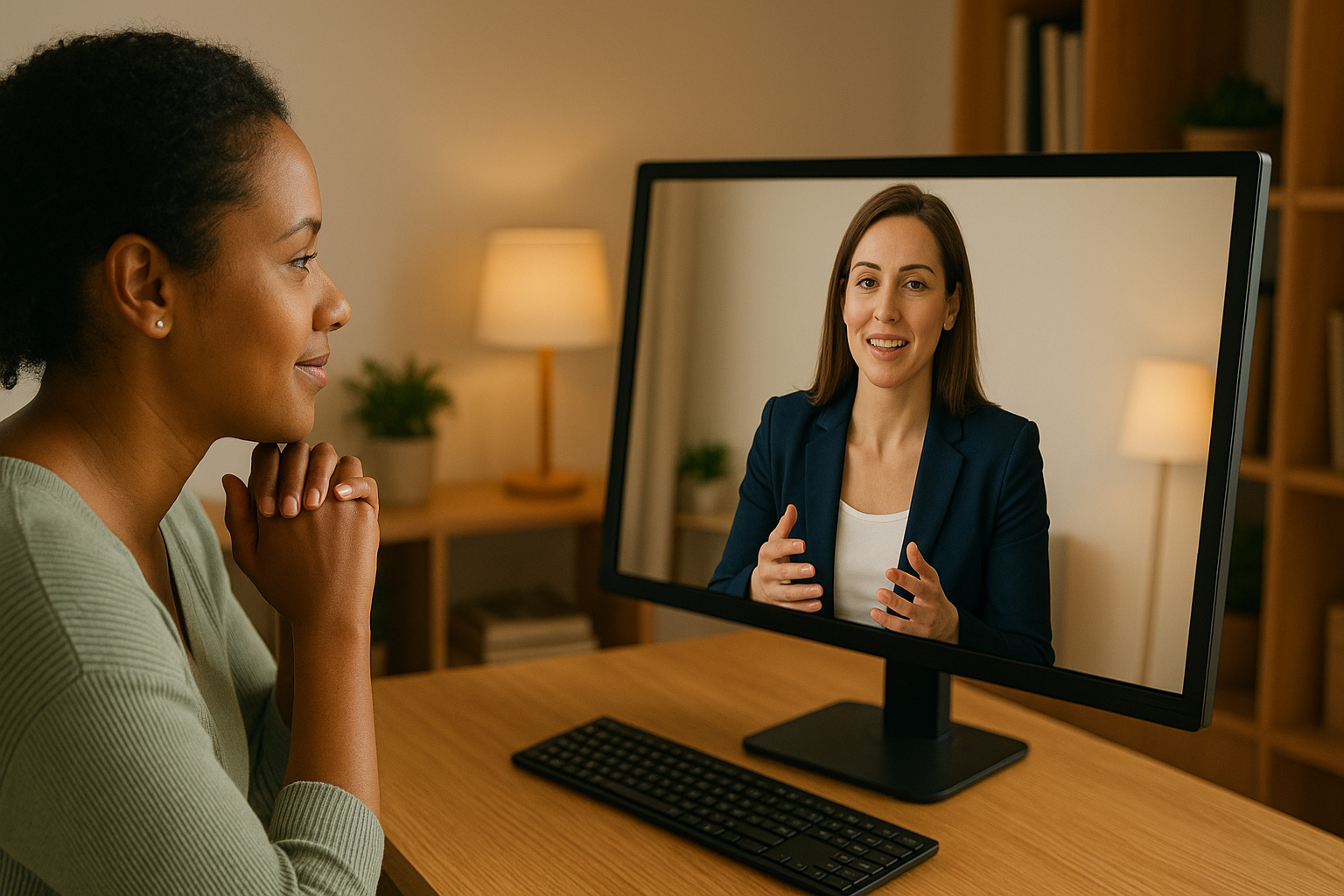
When leaders start to see the camera as a bridge — a way to reach people they can’t see — the fear begins to fade. It’s not about performing, it’s about connecting through the lens.
Here’s how we help people make that mental shift:
- Think person, not crowd. Picture one colleague or customer you know well. Speak to them.
- Ignore the tech. The lens isn’t judging you; it’s just relaying your story. Treat it like a friend’s eye contact.
- Lead with message, not polish. Authenticity lands harder than a perfect take.
- Rehearse out loud. The first time you hear yourself shouldn’t be during the shoot.
Once people internalise that the camera is simply another way to have a human conversation, everything changes. Voices steady. Eyes connect. The real personality of the organisation starts to come through.
Building confidence across your culture
Creating a culture of speaking up on camera isn’t about media training a select few; it’s about making visibility normal. When leaders record short updates, when managers introduce learning clips, when teams share what they’re proud of — it builds trust and transparency from the inside out.
Over time, people stop thinking “I hate seeing myself on video” and start thinking “This is how we communicate now.”
That’s when the culture clicks — when being seen and heard feels natural, not nerve-wracking.
Helping your leaders find their voice
At WIDEO.co.uk, we coach leaders and teams to find their authentic on-camera voice — not to perform, but to connect. Because when your people feel confident representing your organisation on screen, your culture shines everywhere: in training, in recruitment, in customer stories.
After all, the best on-camera presence isn’t about perfection — it’s about presence.