MESSAGES THAT LAND – MAY
This month’s focus
When being natural in an unnatural environment feels hardest, and what helps
- How to feel more natural on camera without trying to “perform”
- Two practical ways to help yourself or others come across more naturally
- How natural podcasting, done right, gives genuine ROI
ARGH!
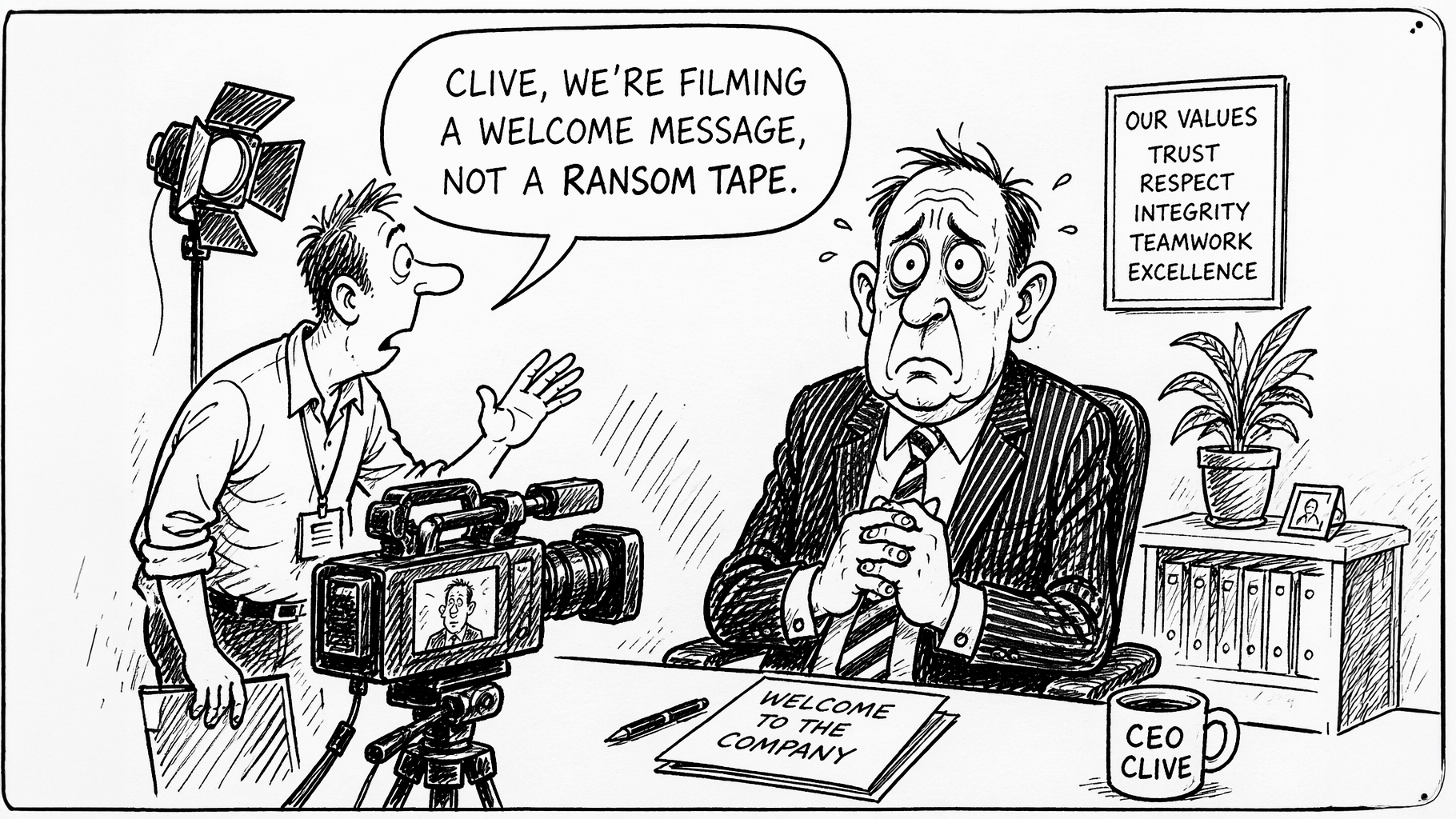
Admit it, that is what goes through most people’s heads the moment they hear, “Can I record you saying this?” or “We need you to make a statement on…” or “It’s just a quick two minutes to camera.”
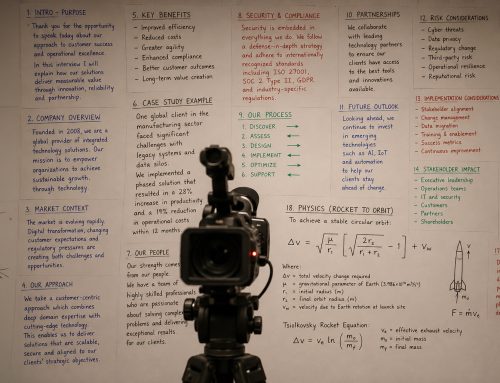
Because a camera can feel like a soulless one-eyed monster, and a microphone seems ready to capture every heartbeat and tiny slip-up for posterity. And now, somehow, you are meant to look completely relaxed, act like none of that matters, and “just be yourself”.
In pulling together this month’s edition, one theme kept coming up again and again: being natural. It sounds simple, but it can feel surprisingly hard to do well, and it matters more than most people realise.
So let me let you in on something. I have been there too. In fact, I was still overcoming a speech impediment and stutter when I got my first radio presenting job in 1992. I spoke far too fast, felt hugely nervous, and got fired from a few radio jobs before one person took me aside, gave me some practical advice, and helped me improve. Over time, I built skills of my own, which helped me carve out an 18-year career presenting on radio stations around the country, followed by another 12 years training spokespeople and interviewing people on camera. Time and again, I have seen people surprise themselves with how much better they can become.
So come on, let’s lean into this one. Being yourself is actually what you are best at.
What May Taught Us
When trust is fragile, performance is dangerous
One of the clearest communication lessons this month is that people can spot a performance a mile off. We live in a time when we are bombarded with messages, and our filters are getting sharper. We are quicker to dismiss the polished-but-empty, the over-rehearsed, and the painfully awkward. People may not always be able to explain exactly why something feels off, but they feel it all the same.
And that is the problem. Trust is not built when someone looks polished. It is built when they look believable. That does not mean casual. It does not mean sloppy. And it definitely does not mean saying “just be authentic” and hoping for the best. It means the message, the tone, and the delivery all need to line up. People need to feel that what they are hearing is real, understood, and genuinely meant.
Trust in organisations is already under pressure. In those moments, “just act natural” can feel like an impossible instruction. The moment a leader sounds awkward, detached, or overly managed, people stop listening to the message and start judging the performance. And once that happens, the organisation itself starts to feel less credible.
A lot of teams fall into the same trap here. They know something needs to be said. The camera is booked, the statement is due, or the internal update has to go out. Everyone can feel the discomfort in the room, so the instinct is to get it done. Push through. Record it. Publish it. Move on.
But in my experience, the better move is to pause. Take a breather. Whether you are recording internal comms, a promotional video, an explainer, or any other kind of message, being natural takes practice. Even the experienced TV news anchor still feels the nerves. The difference is that they have done the preparation beforehand, so they look calm when it counts.
Whether it is a testimonial, a CEO update, or crisis communication, you need to know your material inside out. Not word for word, but well enough to move through it with confidence. In crisis comms, that often means using key points as stepping stones. In company videos, it means relying on a good interviewer to guide you through the areas you know well, so you can answer in your own words.
And never be afraid of speaking too slowly. Ever. In fact, speak slowly enough that it feels slightly uncomfortable to you. To everyone else, it will sound just right. It also gives you more thinking time, which reduces that awful feeling that your brain and mouth are operating on different Wi-Fi signals.
That is why trust is usually won before the message goes live. It is won in the preparation. In the conversation nobody sees. In asking, does this sound like us? Is it clear? Is it human? Would anyone believe this if they heard it? Are we saying this because it is right, or because we just need to get something out?
At WIDEO.co.uk, we feel this is a big part of the work. We are not interested in making people sound shinier. We are interested in helping them sound more like themselves, at their best. Clearer. More natural. More direct. More connected to what they actually mean.
Because the best communication does not feel performed. It feels understood.
Why you are already good at being you
And what your brain is doing to get in the way
“I’m fine until they turn the camera on. Then something happens to me.”
I have heard some version of that throughout my whole career. In radio, wedding photography, video production, media training, and interviews, people have said it to me again and again. And honestly, I have taken it as a personal challenge to get the real person back out again. Because almost always, before the camera rolls, they are warm, engaging, funny, thoughtful, and easy to talk to. Then the camera comes on and some invisible mental door slams shut.
That is not because they are bad on camera. It is because their brain has suddenly decided they are under threat. The camera feels unnatural. The setting feels heightened. The stakes feel bigger than they probably are. So the fight, flight, or freeze response kicks in. Understanding that helps, because it means you stop treating the feeling as a personal failing and start recognising it as a very normal human response.
The good news is you do not have to feel amazing to come across well. In fact, many seasoned journalists and live presenters quite like that little kick of adrenaline because it keeps them sharp. The key is becoming familiar enough with the content that you are not spending all your mental energy trying to remember what comes next. Once that part feels steady, you can pay more attention to your tone, expressions, pace, and body language. It is a bit like driving a car. Once you know the controls, you can stop panicking about the gears and start enjoying the journey.
The 60 Second Takeaway You Can Steal
Two ways to get a more natural performance on camera
The first is simple: prepare properly. When I worked in media training with C-suite executives, quite a few would arrive thinking they could just sit down and wing it because they knew their subject. Please do not do that. Even experienced news anchors would rather not wing it unless they absolutely have to. The better approach is to spend time building bullet points, talking through what needs to be said, and getting comfortable saying it naturally. Look at yourself in the mirror as you practise and notice what your face is doing when you speak, smile, frown, or go blank. That helps appear more confident, caring, or engaged, depending on the message. Record yourself and watch it back. You may hate it at first. That is normal. Your voice and face are fine. Small improvements come from small repetitions.
The second is to create the right environment for a relaxed conversation. If you are recording someone else and they have not had much time to prepare, your job is to reduce the nerves around them. For testimonials and promotional videos, I go in with a clear idea of what the finished piece needs to say and which questions will get us there. I also start talking to people the moment they arrive, so I can get a feel for how nervous they are and how they naturally speak. At some point, I press record and ease that conversation into the interview without a big dramatic stop-start moment that makes their nerves spike. And I always allow plenty of time. Normally, I would allow 45 minutes to get 20 minutes of usable interview time.

How natural podcasting can give ROI by generating warm leads for your campaigns
Podcasting is often treated like a brand awareness extra. Nice to have, hard to measure, easy to question when budgets are tight. But for businesses where trust matters and campaign spend needs to work first time, that misses what a good podcast is really doing. It is not just putting content out. It is helping the right people spend proper time with your thinking before they ever click, enquire, or speak to sales.
The bit that matters here is not just the format. It is the feel of it. When a podcast sounds stiff, over-scripted, too loose or like someone is trying far too hard to sound “professional”, people drift. When it sounds clear, relaxed and genuinely useful, they stay with it. That is why naturalness matters so much. It is not a fluffy quality. It is often the difference between content that gets skimmed past and content that quietly builds confidence over time.
At WIDEO.co.uk, what we’ve discovered is that the real job is helping experts shape what they already know into something podcast listeners will actually stay with. That usually means structuring the conversation so it feels engaging, useful and easy to follow, while still leading people towards the action you want them to take. In one recent project, that made a measurable difference. People listened for longer, stayed engaged through the episode, and the podcast started doing more than “brand awareness”. From an audience of around 500 listeners, it was generating 5 to 8 genuinely warm, high-quality leads each month. And that is the bit that matters. Not big vanity numbers, but qualified attention from the right people, strong enough to create real ROI.
Watch out for these nuggets in our podcast episodes during May
How to make leadership storytelling feel simple, not cheesy
Episode 9 looks at how you can turn dense ideas, expert knowledge, and worthy information into simple story structures people actually remember and act on.
What to do if your campaign feels ready, but you still are not sure it will land
Episode 10 explores how you can sense-check your message before launch, avoid confirmation bias, and spot the gaps that internal teams often miss.
Five ways to make your message clearer before you hit record or go live
Across both episodes, we dig into practical ways to hook attention, structure ideas, test your assumptions, and choose the format that gives your message the best chance of sticking.
Don’t forget, you can get the handy show notes that go a bit deeper into the thinking behind each episode, plus alerts when a new one goes out, by signing up via the website: LandAndDeliver.co.uk
Darren Wingham
WIDEO.co.uk
Helping organisations turn expertise into clear, human messages people listen to and act on.