MESSAGES THAT LAND – MARCH
This month’s focus:
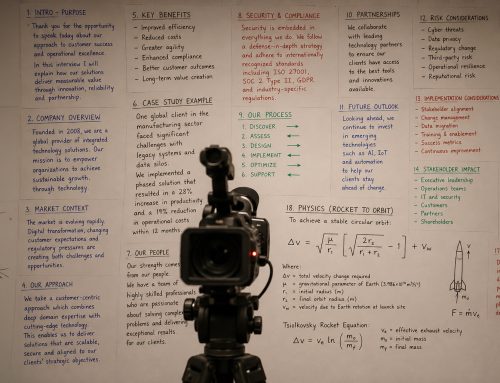
WHY GOOD IDEAS STILL STALL INTERNALLY
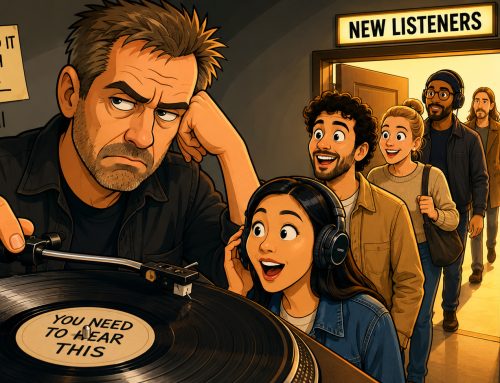
AI SLOP ISN’T AN AI PROBLEM
DON’T LET APRIL HIJACK YOUR BUDGET
Alright. Quick check-in… You OK?
It’s budget season. Planning decks are multiplying. AI is everywhere. Someone’s just cheerily said, “Shall we do something for April?” and you’re quietly calculating how many meetings that might trigger. If you’re responsible for the message and the outcome, this is for you.
At WIDEO.co.uk, we work with people who are trying to get good ideas out into the world without it turning into a saga. You’ve got expertise in the business. You’ve got smart people. You’re not short of ideas. You’re short of time, headspace, and tolerance for things that spiral.
So this newsletter is a bit of a monthly exhale.
What we’re seeing. What’s tripping teams up. What’s quietly working. How to make messages land when budgets are under review, attention is thin, and someone’s just added “one small tweak” to your scope. No grand pronouncements. No hype. Just steady thinking. Practical clarity. And the occasional raised eyebrow at the phrase “let’s try and make it viral”.
Coffee optional. But grab a cuppa anyway, you deserve it.
The 60 Second Takeaway You Can Steal
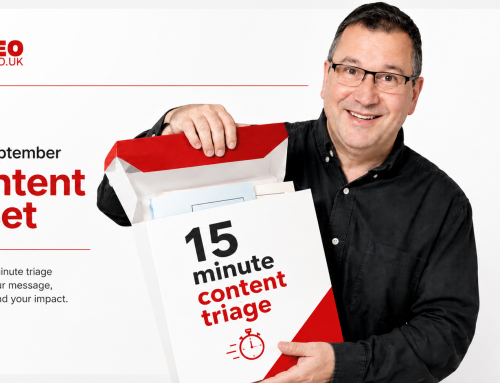
How To Do Video Without Triggering a Company-Wide Meeting … and 47 Action Points
Most video projects don’t stall because of creativity. They stall because of risk. You’re not short of ideas. You’re short of tolerance for something that might spiral. In your head it’s not “should we do video?” It’s, “If I spend this budget, will it actually move anything? Is this going to create more admin? Am I going to have to defend this in three weeks if it doesn’t land?”
That’s the real friction.
So here’s the reframe I’ve seen work time and again. Don’t position video internally as a programme. Position it as a pilot. Fixed scope. Fixed budget. Clear output. Clear measurement. Something you can say in a meeting with confidence: “Let’s try this and see how it lands.”
When video is framed as a contained test rather than a transformation project, decisions get faster. People relax. You’re not asking for a leap of faith. You’re asking for a sensible, low-risk experiment.
You can test professional video without it becoming a massive internal project. And in my experience, that small shift in framing is usually the difference between talking about content and actually producing it.

The night a hard hitting docudrama made more impact than all the big stats and 80’s pop star hype put together!
And why it might succeed where prime time interviews did not.
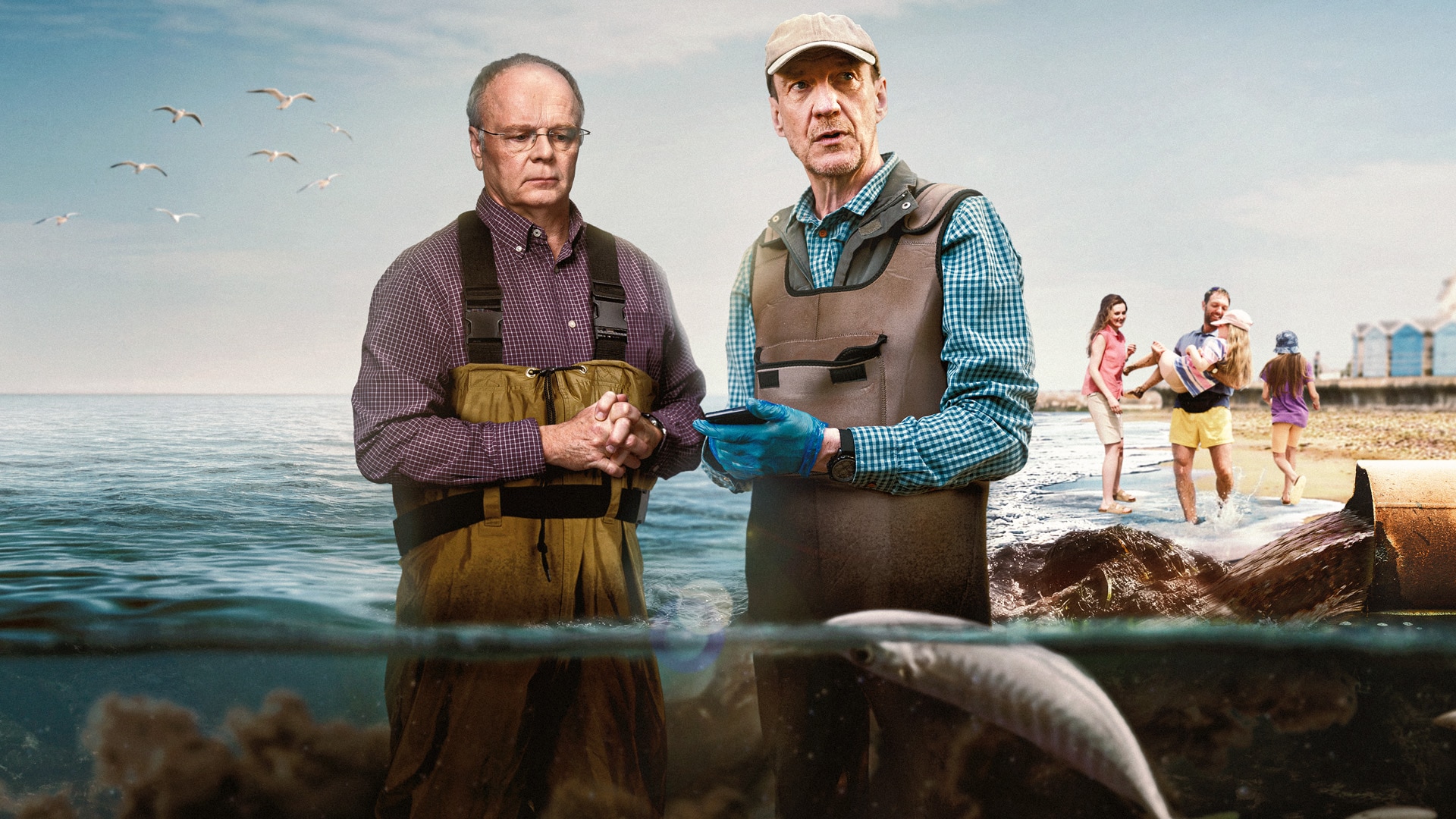
The morning after Dirty Business aired on Channel 4, the reaction was immediate. Clips were circulating widely. Social feeds filled with anger about sewage in rivers and executive pay. Commentators were demanding reform. Campaigners said this felt different.
It felt like a moment.
But here’s what’s interesting. The story itself was not new. To understand why this felt different, we need to rewind.
Back in 2022 and throughout 2023, Fergal Sharkey became one of the most prominent public critics of England’s water companies. Yes, that Fergal Sharkey. The 80s pop star, lead singer of The Undertones, now turned river campaigner. He appeared regularly on national television. Breakfast sofas. News debates. Prime time current affairs.
He was calm, forensic and compelling. He talked about untreated sewage being discharged into rivers. He questioned regulatory failure. He pointed out that dividends were still being paid to shareholders while infrastructure struggled and public trust eroded. Across the industry, senior executives were receiving remuneration packages running into the millions of pounds in recent years, even as fines mounted and environmental breaches continued. It was persuasive. It was rational. It was evidence based. And yet, despite the visibility and credibility, the issue did not suddenly explode into sustained national action. Public frustration simmered, but it did not boil over.
Why?
Because interviews inform. They expose. They make the case. But they largely rely on viewers already being engaged enough to care. If you were interested in environmental policy or angry about privatisation, you leaned in. If you were not, it remained another troubling news item in a crowded cycle.
Then came Dirty Business.
Channel 4 approached the issue differently. Instead of simply explaining what was happening, the programme immersed viewers in the consequences. We saw polluted water up close. We heard directly from communities affected. We felt the tension between corporate defence and environmental damage. It shifted the story from argument to experience.
The tone changed almost overnight. The anger felt sharper and more personal. People were not just discussing policy failure. They were reacting to human impact.
This mirrors what happened in early 2024 when ITV aired Mr Bates vs The Post Office. The Post Office scandal had been covered for years through investigative journalism and interviews. The facts were already known. But it was the dramatisation that detonated public attention.
Why did that happen?
Because drama creates emotional proximity. You do not just understand the injustice intellectually. You live alongside the characters. You see the stress on their faces. You feel the consequences of decisions made in distant boardrooms. That emotional connection alters the way the brain processes the story. It moves from information to identification.
And when people identify, they act.
This is not just a television observation. It is a lesson in messaging. In marketing and communications, we often talk about return on investment in terms of reach, views and impressions. But reach without resonance is expensive noise. You can invest heavily in production, secure credible spokespeople and present a watertight argument, and still struggle to change behaviour.
The difference between an interview and a powerful documentary or drama is not simply budget. It is emotional architecture.
When messaging is designed so that the audience can see themselves in the story, when consequences feel personal rather than statistical, when complexity is translated into lived human experience, the likelihood of action rises significantly. When emotions rise, attention sharpens. When attention sharpens, people lean in and listen harder. And when they listen deeply, they are far more likely to act.
That is where true ROI sits.
The water industry story tells us something uncomfortable. Even a high profile, credible prime time interview may not ignite change. But a story structured to move people rather than simply inform them can create momentum quickly.
So as you plan your next campaign, film or piece of content, it may be worth pausing and asking a harder question.
Are we explaining the issue clearly? Or are we helping our audience feel why it matters? Because in a noisy world, information is abundant. Emotional connection is rare. And it is connection, not coverage, that ultimately changes behaviour.
Don’t Be an April Fool’s Fool
“It’s April 1st coming up… shall we do something funny? Maybe try and make it go viral?”
You can almost hear it in the meeting.
New quarter. Fresh planning decks. A slightly mischievous idea. A fake announcement. A playful stunt. Something clever. Something that might “take off”. And suddenly there’s a mini campaign in motion. Concept. Visuals. Landing page. Social cutdowns. Internal reviews. Legal sense-check. Stakeholder tweaks. Two weeks of effort. For ONE DAY! All in the hope of “going viral”.
Now pause.
If April 1st didn’t exist, would you still choose to invest that time and budget in that piece of work? Or would your team have built something steadier? A leadership video that supports sales conversations for months. A sharper evergreen campaign. A content sprint that gives you usable assets across the quarter.
This isn’t anti-creativity. And for some brands, April Fool’s works brilliantly.
But for many businesses, it’s calendar bias. The gravitational pull of a date. The internal urge to participate because the square is there in the diary. It feels fun. It feels current. It feels like momentum. But it’s often a disproportionate investment into a single themed moment, while the strategic work that builds trust and drives action gets squeezed.
As you plan Q2, ask one uncomfortable question:
If this wasn’t April 1st, would we still believe this was the best use of our time, budget and team energy? If the answer is no, you avoided becoming an April Fool’s fool.
Watch out for these nuggets in our podcast episodes during March
• Why your business card is not dead — it’s just silent
How rushing design, hiding behind job titles, and handing them out like flyers kills connection — and how to turn a simple card into a deliberate conversation bridge with a clear message and call to action. Land and Deliver – Episode 4 – Is Your Business Card Dead or Just Silent?
• How to handle experts without dumbing them down or losing their trust
Why over-explaining is usually driven by fear, ego, or risk — and how to build trust, ask better questions, and become the bridge that makes complex messages land without losing integrity. Land and Deliver – Episode 5 – From Complex to Clear – Helping Experts Connect
• Why smart teams keep generating safe, familiar ideas
How the problem isn’t effort or creativity but the mix of roles in the room — and how creating a small “people pod” with the right personalities unlocks sharper, braver, more useful thinking. Land and Deliver – Episode 6 – Stop Smart Teams from Generating Boring Ideas
Don’t forget you can get the handy show notes that can go into the thinking in a bit more depth plus alerts when a new episode goes out by signing up via the website. LandAndDeliver.co.uk.
Until next month….
Darren.
WIDEO.co.uk
Helping organisations turn expertise into clear, human messages people listen to and act on.